What to look for in a habit tracker app for iPhone
August 12, 2026 · 5 min read
You've done this before. Downloaded a habit tracker in January, logged eleven straight days, missed one, and never opened it again. Now you're back in the App Store and the results all look alike: green checkmarks, ring charts, a mascot. The screenshots won't tell you which one you'll still be using in March.
The good news is that trackers die for predictable reasons, which means you can screen for those reasons before you commit. Here's what actually predicts whether a habit tracker is still on your home screen in three months.
How much does logging cost?
You'll use a habit tracker at your least capable moments: 6:40 in the morning, or at night when you're already in bed. At those moments every tap is a tax. Count the real path: wake the phone, find the app, wait for it to load, find today, find the habit, tap. If that takes twenty seconds and the habit is "drink a glass of water," the accounting fails within a week.
So look for the shortest honest path to a logged habit. A widget or a one-tap check-in matters more than anything on the feature page.
There's a catch. The cheapest log is also the cheapest lie. A checkbox you can tap from the couch is a checkbox you'll eventually tap from the couch, and once you know a mark doesn't guarantee the thing happened, the whole log loses its authority. The fix is verification you can opt into per habit. Meadow, for example, lets you attach photo proof to a goal: the app asks for a photo and checks that it matches. Worth the extra step for the gym, absurd for flossing. The point is that you choose.
When does the reward arrive?
Ask what the app gives you at the exact second you complete a habit. Most trackers answer with a checkmark and a slightly taller bar on a chart you'll review on Sunday. That's a deferred, abstract reward, and the deferral matters more than it sounds, because the habit's real payoff sits even further out. Lally et al. 2009 followed people forming everyday habits and found a median of 66 days to automaticity, with a wide range (18 to 254 days). Your tracker has to stay rewarding for months, on its own steam.
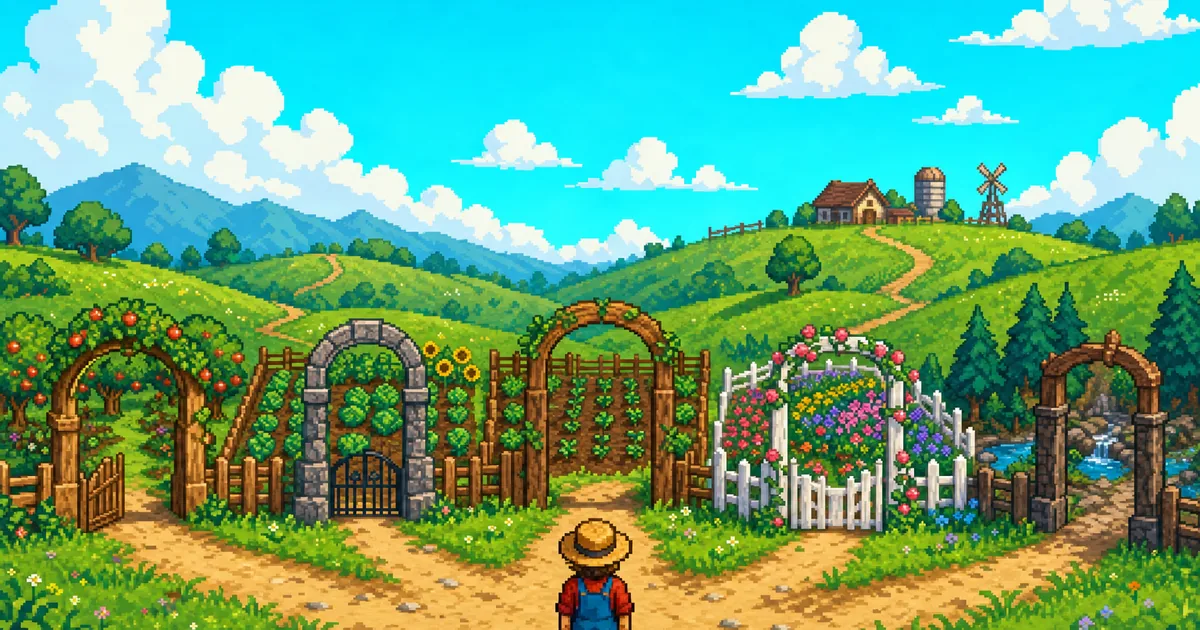
Meadow takes the immediate approach: finish a goal and coins drop on the spot, and you spend them on seeds, water, and land in a pixel-art garden. A carrot costs 2 coins and sells for 8. A pumpkin costs 8 and sells for 26. The stakes are tiny, but the reward lands at the moment of completion, which is the moment that does the training.
Honesty requires the counterargument: gamification can overshoot. A tracker with daily quests and XP tiers becomes a second job, and eventually you quit that job too. The test is whether the reward takes seconds and then leaves you alone. A garden you glance at while the coffee brews is a reward; a garden with a maintenance schedule is homework.
What happens when you miss a day?
You will miss a day, so this is the scenario to shop for. It's where many trackers turn on you, with a red X and a counter that makes 40 days of work feel like it evaporated overnight.
There are two defensible designs. One is forgiveness: streak freezes and grace days. The risk is that a purchasable freeze quietly converts your guilt into revenue, and a streak you can patch stops meaning anything. The other is strictness paired with durable progress: the streak resets, but the record of your work survives it.
Meadow chose the second. Miss a day and the streak resets; there are no freezes to buy. But the garden stays. Everything the last streak earned is still planted, so day one of the next streak starts somewhere you built rather than on a blank page. Whether a strict streak helps or hurts you is genuinely personal. Some people need the sting; others quit over it. Know which you are before you choose an app.
Does it do anything about the phone itself?
For many people, the biggest obstacle to a morning habit is the device the tracker runs on. A tracker that lives one notification away from the feed that eats your mornings is at a structural disadvantage no amount of charting can fix.
Some trackers now act on the phone directly. Meadow's Morning Lock blocks chosen apps, whole categories, or named websites until you finish your morning goal, built on Apple's Screen Time framework. And because a hard wall gets deleted on the first truly bad morning, there's a valve: you can spend already-earned coins on a short timed break. That detail carries more weight than it looks. A block with no exit feels paternalistic, and paternalistic apps get uninstalled. A block that charges you your own earned coins keeps the decision yours while keeping it a real decision.
If your habits aren't phone-adjacent, skip this criterion. If your first hour keeps disappearing into a screen, it may be the only one that matters.
Where does your data live?
A habit log is a diary with the prose removed. It records when you wake, what you skip, and what you're struggling to change. Before you feed months of that into an app, ask two questions: does it require an account, and does the data leave the phone?
Meadow's answers: no account, no email, no friends list. Goals and the garden are stored locally on the phone, and the Morning Lock block list never leaves the device. The trade-off deserves stating plainly. Local-only means no cross-device sync and no leaderboard with friends, so if social accountability is the thing that keeps you going, an on-device tracker is the wrong tool and you should buy accordingly.
While we're being plain: Meadow is free to download from the App Store, and a subscription is required after onboarding. If that model doesn't fit, the five criteria above still work; apply them to whatever you try next.
Weight the criterion that killed the last one
Don't score all five evenly. Score the one that ended your previous tracker. If you stopped logging, buy for friction. If it felt pointless, buy for reward timing. If a broken streak finished it, buy for what survives a missed day. The next app doesn't need to be perfect; it needs to not fail the way the last one failed.
If these failure modes sound familiar, see how Meadow handles each one.